

In a world that often feels divided and chaotic, nurturing kindness in our children is more important than ever. As a mom, I’ve seen firsthand how simple acts of compassion can change the energy of a day, from my own child’s smile when he helps a friend to the quiet pride I feel watching him make choices rooted in empathy.
When my son was younger, I realized that teaching kindness wasn’t something that happened through lectures or rewards; it happened through the small moments: holding a door open, saying thank you, or comforting a classmate. Over time, these little lessons became the foundation of who he is: thoughtful, aware, and kind.
Raising kind children isn’t just about teaching manners; it’s about cultivating a mindset that values respect and understanding. In this article, we’ll explore ten powerful ways to raise kindness in children, from practical daily practices to activities that foster emotional intelligence and empathy. Together, let’s empower the next generation to spread kindness like confetti.
1. Understanding the Importance of Kindness in Childhood
Kindness forms the foundation of strong relationships, emotional security, and a healthy sense of self. When children learn to be kind early, they develop the skills to navigate conflict, show empathy, and form meaningful connections.
Kindness doesn’t just benefit others — it boosts a child’s own confidence and happiness. Research shows that children who engage in kind acts experience increased well-being and reduced anxiety.
2. The Science Behind Kindness: Benefits for Children
Kindness activates the brain’s “feel-good” chemicals — serotonin, dopamine, and oxytocin — which enhance emotional well-being.
These biological rewards make children more likely to repeat positive behaviors, creating a cycle of compassion.
🧠 Did you know? Studies show that children who regularly perform kind acts display improved self-esteem and better peer relationships.
3. Role Modeling Kindness: How Parents Influence Behavior
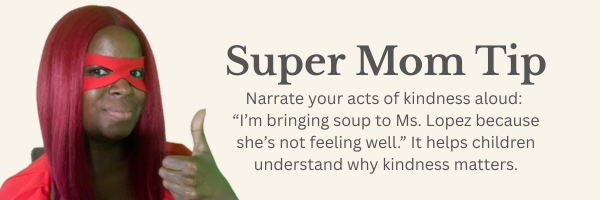
Children mirror what they see. If they watch us treat others with respect, patience, and grace, they’ll naturally do the same.
Whether it’s saying thank you to the cashier, speaking gently during disagreements, or showing compassion to a neighbor, kindness begins with us.
4. Encouraging Empathy Through Everyday Activities
Turn everyday moments into empathy lessons.
-
Read books about feelings and discuss characters’ emotions.
-
Ask questions like, “How do you think they felt when that happened?”
-
Role-play different scenarios to help your child imagine another’s perspective.
🎨 Try this:
Create a “Kindness Jar.” Each time your child does something kind, write it on a note and place it in the jar. Read them together at the end of the week to celebrate kindness in action.
5. Teaching Emotional Intelligence: A Key to Kindness
Children can’t express kindness effectively if they don’t understand their own emotions.
Teach them to name and manage feelings — frustration, sadness, excitement — and guide them on responding with empathy.
💡 Emotional intelligence empowers children to notice when others are upset and take gentle action.
6. Volunteering Together: Building Compassion Through Action
Nothing teaches kindness better than serving others.
Volunteer as a family — at an animal shelter, food pantry, or community event. These experiences help children appreciate different perspectives and learn gratitude.
🌎 Family Challenge:
Once a month, choose a “Kindness Mission.” It could be donating clothes, baking cookies for neighbors, or writing thank-you notes to teachers.
7. Creating a Kindness Curriculum: Ideas for Educators
Schools can play a powerful role in reinforcing kindness. Teachers can create “Kindness Corners,” incorporate compassion-based stories, or host “Kindness Weeks.”
🧩 Educator’s Idea:
Encourage students to write anonymous “kind notes” to classmates each week. This boosts classroom morale and inclusion.
8. The Impact of Kindness on Mental Health and Well-Being
Kindness strengthens self-worth. When children know they can make a positive difference, they feel capable and confident.
Practicing kindness also lowers stress hormones and builds emotional resilience.
🌿 Acts of kindness create a sense of belonging — an antidote to loneliness and anxiety.
9. Celebrating Kindness: Recognizing and Rewarding Compassionate Acts
Celebrate kindness like you would an academic achievement.
Create certificates, stickers, or verbal praise when your child shows thoughtfulness. Highlight their efforts in family conversations.
🎉 SuperMom Tip:
Start a “Kindness Wall” at home. Post sticky notes about kind acts your child did that week, big or small.
10. Fostering a Kind Future for Generations to Come
Raising kind children is a lifelong gift to the world. Every “please,” “thank you,” and helping hand plants a seed for a more compassionate society.
As parents and caregivers, we have the power to shape that future, one kind act at a time.
Let’s teach our children that kindness isn’t weakness; it’s strength wrapped in love. 💖
💕 Shop This Post: Raising Kindness Tools
🌟 Freebie: Kindness Tracker for Kids
Download your free printable Kindness Tracker to help your child record and reflect on kind acts each week.
👉🏾 Click here to download
✨ Read Next
Did you know?
Studies show that children who regularly perform kind acts display improved self-esteem and better peer relationships.

This. Adults can also benefit from kindness and empathy. I love how you include practice action items.
These are amazing tips and a good reminder to be kind to the child within.
This is a wonderful, wonderful post! This world needs more parents like you.
When I was a teacher, many many years ago, I created a “kindness project” with my 1st graders. It was a wonderful project that had students noticing and thanking others when they did kind thing. The students posted a flower on the bulletin board and we created out Kindness Garden.
You are doing a great job Super mom. My children are all grown ups but I can tell you that they learnt a lot from my kindness when they were growing up. They exhibit it because they learnt from their mom. Thank you for teaching young parents on how to teach their children to show kindness.
A great post. Thank you. It applies to us oldies, too. I read part of your story. You’re a great mom, so strong and resourceful.
What great examples and activities for fostering kindness in children & ourselves!
When my middle and youngest grands were in playschool, I was the classroom volunteer for our family. I loved the ways social skills were gently modeled and encouraged.
Nadya